
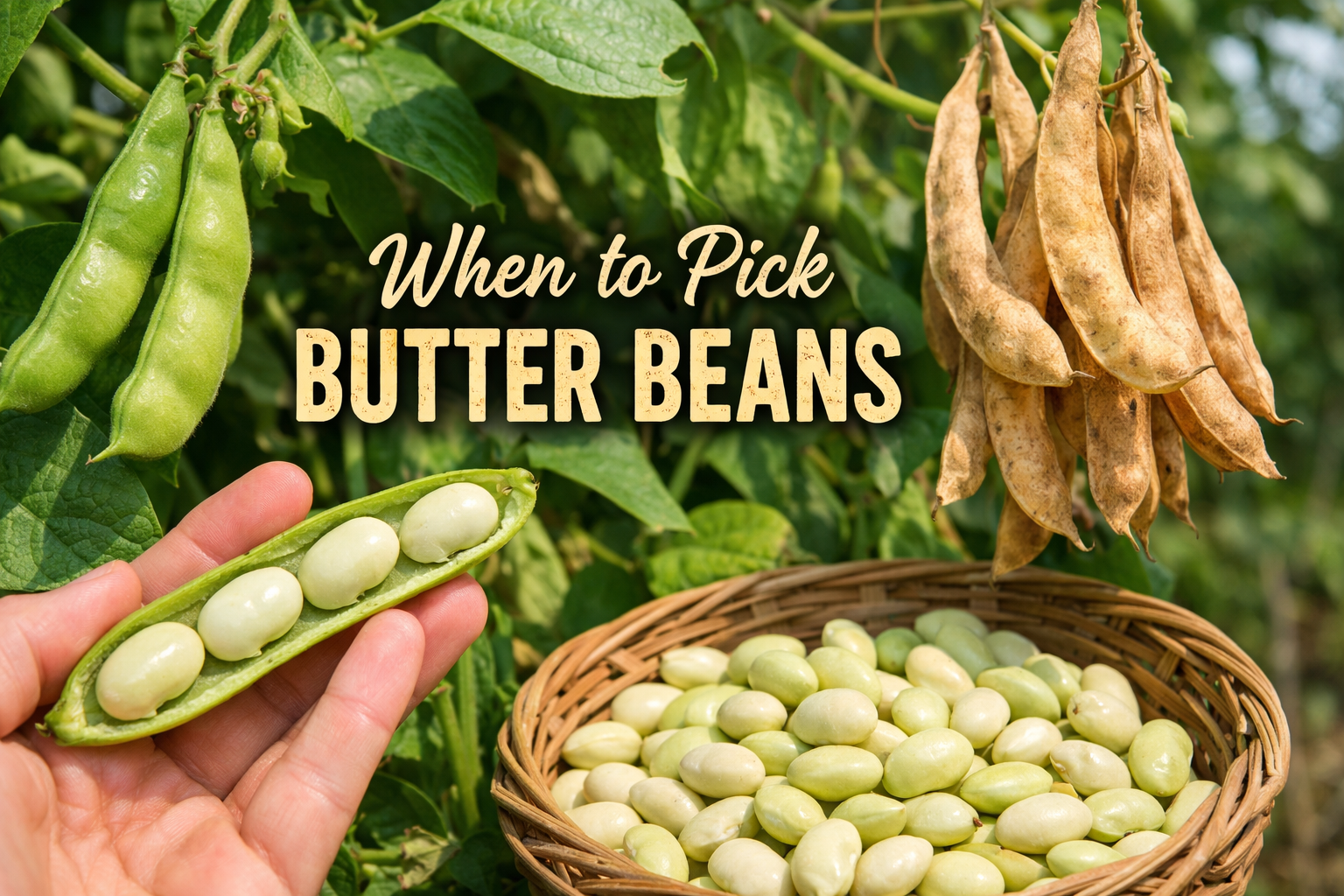
Butter beans are sneaky that way. One day the pods look flat and unready. A few days later they look full, maybe a little leathery, and you start second-guessing the whole thing. Pick now and risk undersized beans? Wait longer and wind up with starchier ones than you wanted?
If you’re wondering when to pick butter beans, the clean answer is this: pick for fresh shelling when the pods feel well filled and the beans inside are full size but still soft. Leave them longer for dry beans until the pods turn tan or brown, dry down, and go brittle. In University of Maryland Extension’s harvest guide for lima beans, the fresh-shell stage is described as full-size seeds inside bright green pods, which is a much better cue than the vague old advice to harvest “when they look plump.”
I’ve made the classic mistake here. I left a row of pole limas hanging because the pods still looked too green to be finished. They shelled fine, but the texture had already shifted from creamy to a little chalky. Not ruined, just not the sweet spot. That’s why a one-size harvest answer falls apart so fast. Butter beans have more than one good picking window.
Here’s what this article will help you do:
- tell the difference between fresh-shell stage and dry-bean stage
- read pod color, feel, and shellability without guessing
- adjust for bush vs pole plants, weather, and a short season
- fix the mistakes that lead to tough, starchy, or disappointing beans
- handle yellowing pods, uneven ripening, and frost without panic
- know what to do right after harvest
Fast harvest check
| What you want | What the pod should look and feel like | What to do |
|---|---|---|
| Fresh shelled butter beans | Full pods, green pods, beans inside fully formed but still soft | Pick now |
| Dry beans for storage | Tan or brown pods, papery or brittle feel, hard beans | Leave longer, then harvest |
| Seed saving | Fully dry pods and fully hard seeds | Let them dry completely, then store |
If the pod and the calendar disagree, trust the pod. If the pod still feels confusing, open one.
When to pick butter beans: the 30-second answer
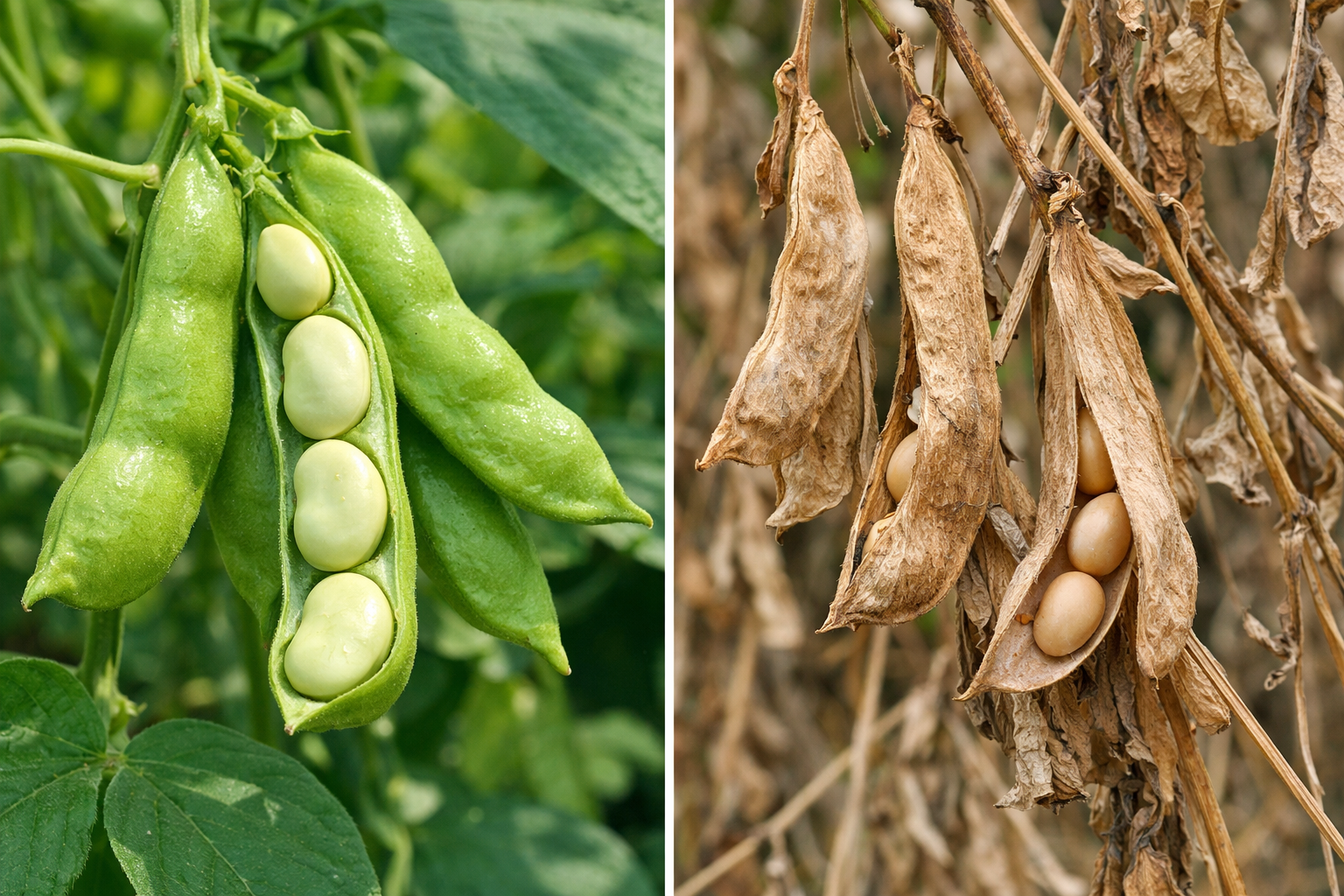
For dinner, the freezer, or that classic fresh-shell pot, harvest when the pods are full and the beans inside are fully developed. The pod should still have life in it. Green is normal. A slight shift in color can still be fine. What you do not want, for fresh use, is a pod that has already gone papery and dry.
For pantry beans, you wait. The pods should dry on the plant until they turn tan or brown and feel brittle. At that point the beans inside should be hard, not creamy. That’s a different harvest target, and it helps to say that out loud because a lot of muddled advice acts like there is one universal “ready” stage. There isn’t.
Note: Butter beans are not harvested like snap beans. With snap beans, bulging seeds mean you waited too long. With butter beans, those full seeds are the whole point.
That naming twist trips people up too. The USDA’s National Agricultural Library notes that lima beans are often called “butter beans” in the South, so most home-garden harvest advice for lima beans applies here. Same crop, same harvest logic, just a different label depending on where you grew up.
Read the pod, not the calendar
Days to maturity help you know when to start checking. They do not tell you the exact afternoon to pick. A butter bean plant does not care what the packet said if the week turned cool, the soil dried out, or the pole vines kept blooming later than expected.
The better method is to use three cues together.
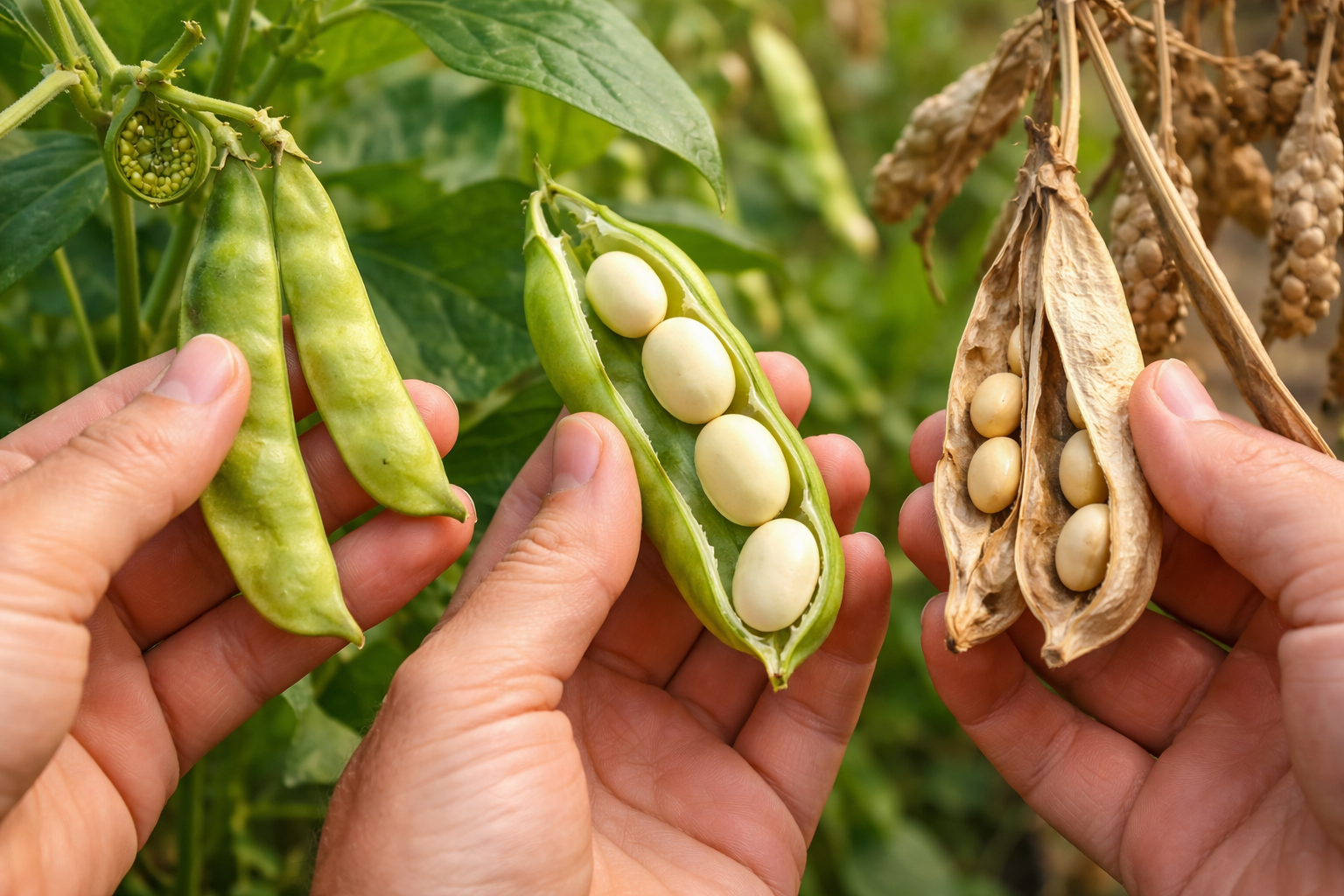
Feel the pod and judge fullness. A ready pod feels filled from end to end. Not ballooned, not dry, just full. You can usually trace the individual beans with your fingers.
Look at the color and skin. For fresh shelling, green pods are normal. Some will start to lose that fresh bright look and turn slightly dull or a bit leathery. That’s still fine. For dry beans, the color shift is much more obvious. Tan, brown, and dry is the point.
Open one pod and check shellability. This is the part people skip, and it solves most of the confusion. If the beans inside are full size, smooth, and tender, you’re in the fresh-shell window. If they’re still small and pale, wait. If they’re hard and the pod feels papery, you’ve moved into dry-bean territory.
That crop-by-crop reading is the same basic lesson behind how to read cucumber harvest signs. The fruit or pod tells the truth faster than the packet does.
Quick visual guide
- Not yet: pod still thin, beans inside not fully formed
- Fresh-shell stage: pod well filled, beans full size, still tender
- Dry-bean stage: pod brown and brittle, beans hard
If two signals clash, sacrifice one pod. One pod is cheap. Guessing across the whole patch is not.
Choose your harvest stage by how you want to eat them
This is the fork in the road that makes the rest easy.
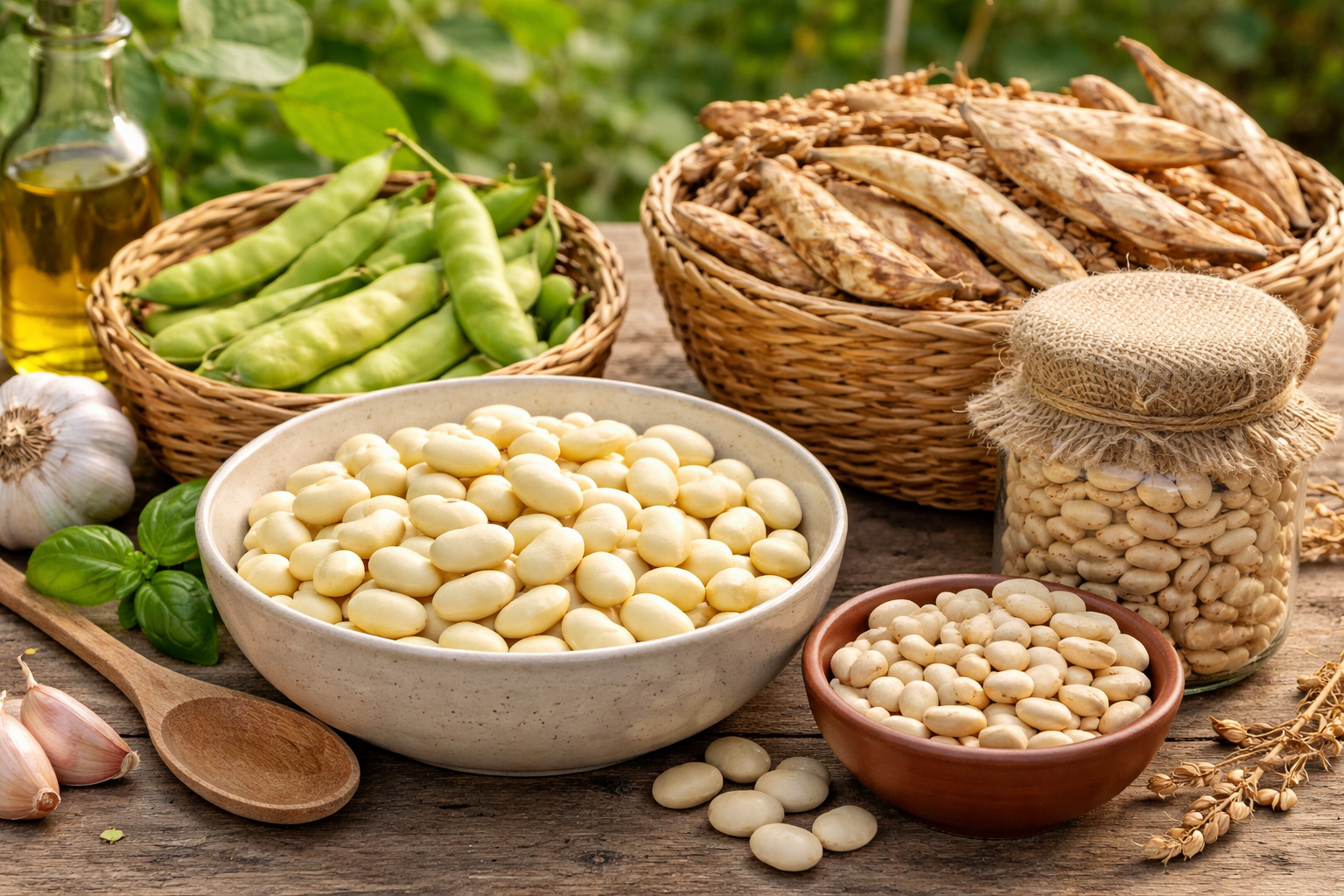
Pick early for fresh shelling. This is the stage most home gardeners actually want, even if they do not say it that way. The beans are large enough to be worth shelling, but they still cook up creamy. If you’re after succotash, butter beans with bacon, or a simple bowl with olive oil and salt, this is the sweet spot.
Leave them longer for dry beans. If the plan is pantry storage, dry soups, or seed saving, wait for the pods to dry down. The beans will be harder and more shelf-stable, but the fresh buttery texture is gone by then. That’s the trade. Better storage, less tenderness.
Let seed-saving pods finish completely. You want fully mature seed, not “almost dry.” The pod should be fully dry and the seed hard. A pod that still feels flexible is not there yet.
Remember: There is no single perfect picking date. There are three useful harvest windows: fresh eating, drying, and seed saving.
A lot of garden disappointment comes from mixing those windows up. Someone wants creamy fresh beans, but they wait for “mature” pods. Someone else wants dry beans, but they pick at the tender shell stage. Same plant, wrong goal.
Adjust for variety, weather, and the kind of plant you grew
Source-backed timing helps here, as long as you treat it like a starting line instead of a finish line. University of Maryland lists bush limas at about 65 to 75 days from sowing and pole limas at 85 to 110 days. Utah State’s vegetable guide gives lima beans a broader 70 to 100 days from planting until harvest, with pod maturity varying because flowers do not all open at once. Put those together and you get a good rule: start watching bush types earlier, but let the plant tell you when each pod is ready.
Small-seeded types often come in earlier than the larger butter bean types. Pole vines usually spread harvest over a longer stretch. Bush plants are more compact and often finish in a tighter window. None of that is dramatic, but it changes how often you should be checking.
Weather shifts the timing too. Cool spells can slow pod fill. Heat and drought can make flowers drop or leave pods uneven. A long warm season gives you room to let some pods dry. A short season pushes you toward the fresh-shell stage because you may not get a clean dry-down outdoors.
Frost is the one time to stop being fussy. In the University of Delaware’s frost guidance for vegetables, lima beans can still be harvested after a light frost, but once pods actually freeze, the harvest window shrinks fast. If a hard freeze is coming and you still have good full pods, pick them for fresh shelling rather than holding out for ideal dry-bean timing.
Pro tip: If the seed packet says 75 days and your first real pod check is on day 68, that’s normal. If the pods still feel flat on day 82 after a cool stretch, that can be normal too.
Pick in passes so the plant keeps producing
Butter beans rarely ripen like a switch flipping on. One cluster fills first. Another sits behind it. Then a few new flowers show up just when you thought the plant was winding down. Utah State says pod maturity is variable because of different flowering times, and that lines up with what happens in a home garden too. You get waves.
So harvest in passes. Walk the row every few days once the pods start filling. Pick the ones that are ready. Leave the thin ones. Come back. That’s a better system than waiting for the whole plant to look uniformly done, which almost never happens cleanly.
Use one hand to hold the vine or stem and the other to pull the pod. Pole limas can be a bit grabby on the trellis, and yanking pods off carelessly is a nice way to snap off the bit that still had more flowers coming.
Water plays into this more than people think. Uneven moisture can leave one flush full and smooth, then the next flush skimpy and slow. That’s one reason drip-style raised-bed irrigation tends to give more even pod fill than sporadic overhead watering.
Fresh-shell harvests also tend to keep you engaged with the plant. You notice the next wave sooner. You catch problems sooner. And you stop staring at five ready pods because twenty more aren’t there yet. Been there.
Fix the three harvest mistakes that ruin texture and timing
Mistake one: using green-bean rules. This is the big one. Snap beans should be picked before the seeds swell. Butter beans should be picked when the seeds have swelled. If you avoid bulging pods because you learned that rule on green beans, you’ll keep harvesting too early.
Mistake two: waiting for yellow or brown pods when you wanted fresh shelling beans. That usually means you waited too long for the tender stage. The beans are still edible, but the texture shifts. They get mealier and less silky.
Mistake three: trusting size alone. A pod can look big but still not be worth picking. Some pods are long without being filled well. Some are full at the middle and thin at the ends. That’s why the shell test matters. One pod opened in your hand is worth a lot more than standing there trying to read the plant like tea leaves.
Symptom to fix
| Pods are green but feel flat | Wait a bit longer |
| Pods are full but still flexible | Good candidate for fresh shelling |
| Pods are yellowing and getting papery | Use for drying or seed, not peak fresh texture |
| Beans inside are full but hard | You are at or near dry-bean stage |
The awkward in-between stage is the one people hate. A pod is still mostly green, but it feels leathery. That’s not bad news. Open it. If the beans are full and tender, harvest. If they’re full but already firming up, you’ve drifted later. That’s still usable, just a different outcome.
Handle fresh and dry butter beans properly after picking
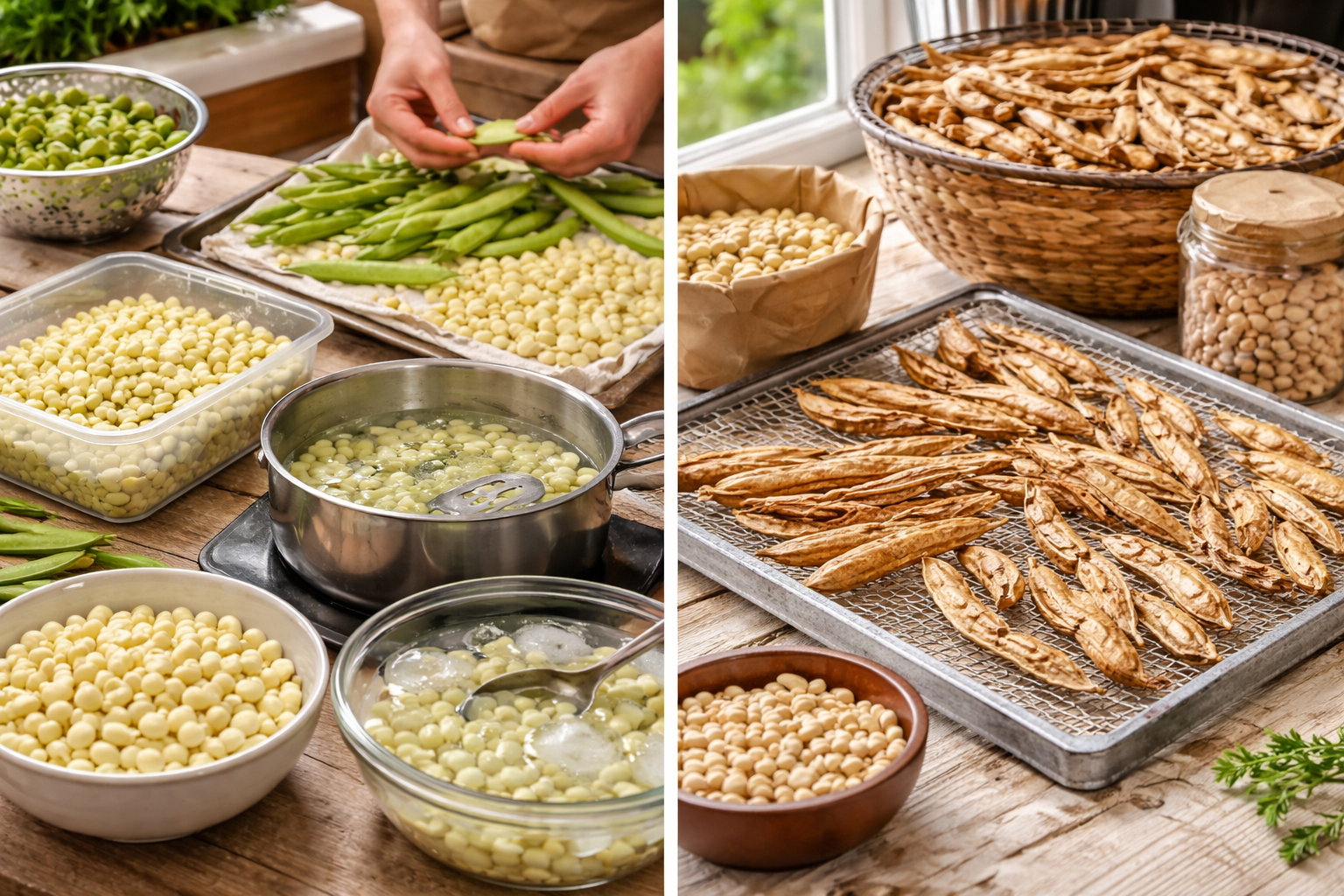
Fresh butter beans are better when you move them along fairly soon. Shell them the same day if you can. If not, keep the pods cool and get to them within a few days. Utah State recommends cooling lima beans quickly after harvest and storing them cold under high humidity for about a week, which fits the way they behave in a home kitchen too. They hold, but not forever.
If the plan is freezing, shell them first and then prep them for the freezer rather than tossing whole pods in and hoping for the best. If the plan is drying, finish the dry-down indoors if wet weather is rolling in. Spread pods or shelled beans in a dry airy spot and do not jar them up until the beans are truly hard.
There is one food-safety note worth keeping short and clear. Oregon State Extension explains that lima beans contain linamarin, a cyanogenic glycoside, which is why fresh shelled butter beans should be cooked thoroughly rather than nibbled raw out of the pod. For normal cooked use, that’s not hard. Just don’t treat them like peas.
Note: If rain is coming and your dry-bean pods are close but not fully crisp, picking and finishing the drying indoors is a lot better than letting them mold outside.
Use this no-guesswork checklist before you harvest the whole patch
When the planting is mixed, with some pods full and others lagging, this is the easiest way to answer the question without overthinking it.
Fast harvest check
- Decide the goal first: fresh shelling, dry beans, or seed saving.
- Pick one likely pod and feel for full beans from end to end.
- Open it if there is any doubt.
- If the beans are full size and still soft, harvest for fresh use.
- If the pod is dry, brown, and brittle, harvest for drying or seed.
- If frost is close, favor good fresh pods over waiting for perfect dry-down.
For most gardeners harvesting for the table, the best window is simple: pick when the pods are well filled and the beans inside are fully developed, but before the pods dry out. That’s the creamy stage. That’s the stage most people were hoping for all along, even if the seed packet never quite said it that way.
FAQ
Should butter bean pods be yellow before you pick them?
Not for fresh shelling. Green pods that feel full are usually the better pick for tender, creamy beans. Yellowing or browning pods point more toward dry-bean or seed-saving stage.
Can you dry butter beans indoors after picking them?
Yes. If wet weather or frost is closing in, pick nearly mature pods and finish drying them in a dry airy spot indoors. Store them only after the beans are fully hard.
Are butter beans and lima beans the same thing?
In most gardening and cooking contexts, yes. “Butter bean” is a common regional name for lima beans, and the harvest cues used for lima beans apply to butter beans too.

Michael Rowan is the founder and lead writer at The Garden Playbook. He has spent 10+ years growing plants across a range of settings — from indoor houseplants and container gardens to raised beds and in-ground plots — adapting methods to different light levels, seasons, and growing conditions.
Michael focuses on practical, experience-based guidance grounded in fundamentals: soil health, watering strategy, plant nutrition, pruning and propagation, and integrated pest management (IPM). His work aims to help readers diagnose common problems (such as yellowing leaves, stunted growth, or pest pressure) and apply straightforward solutions that are realistic for home gardeners.
At The Garden Playbook, Michael develops tutorials and plant guides using a consistent process: documenting real outcomes where possible, explaining the “why” behind each step, and verifying higher-risk topics (such as plant toxicity or pest treatment options) against reputable horticultural references.